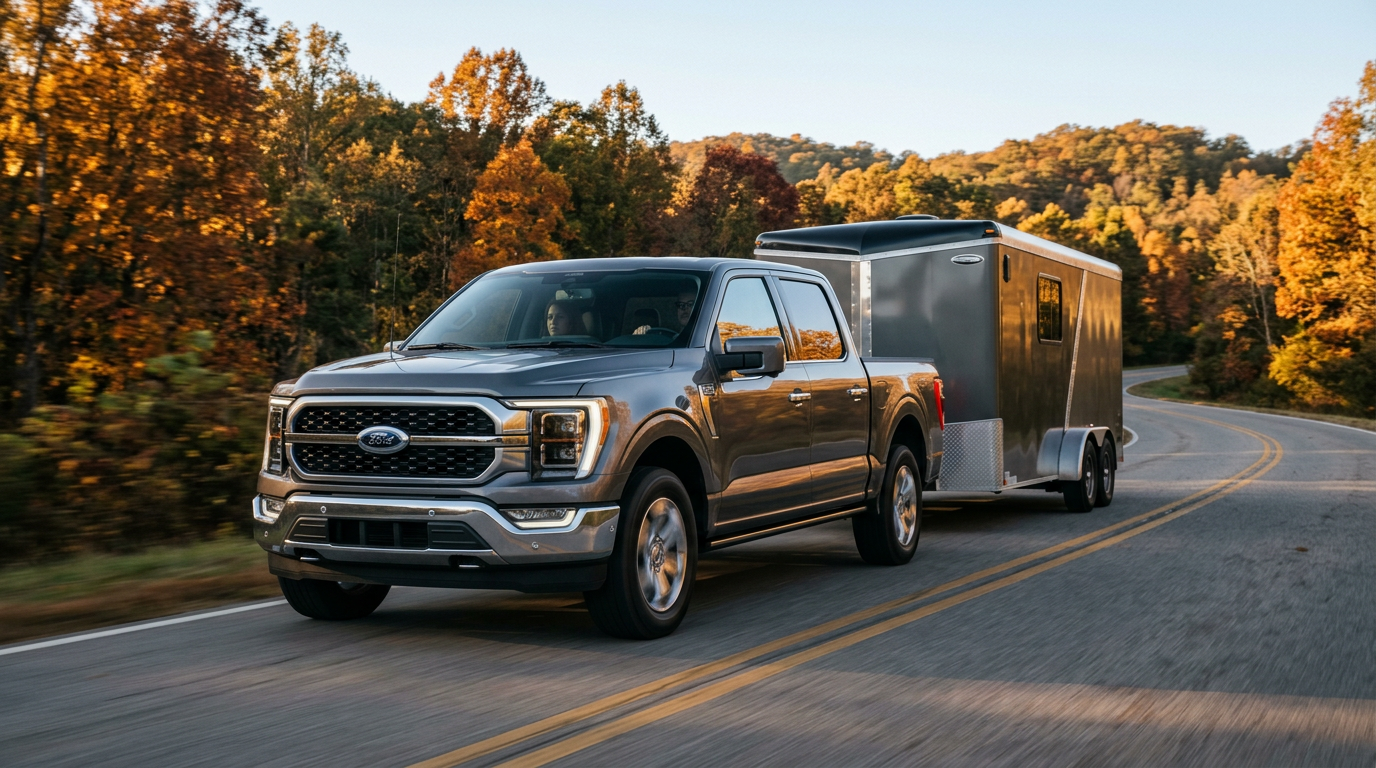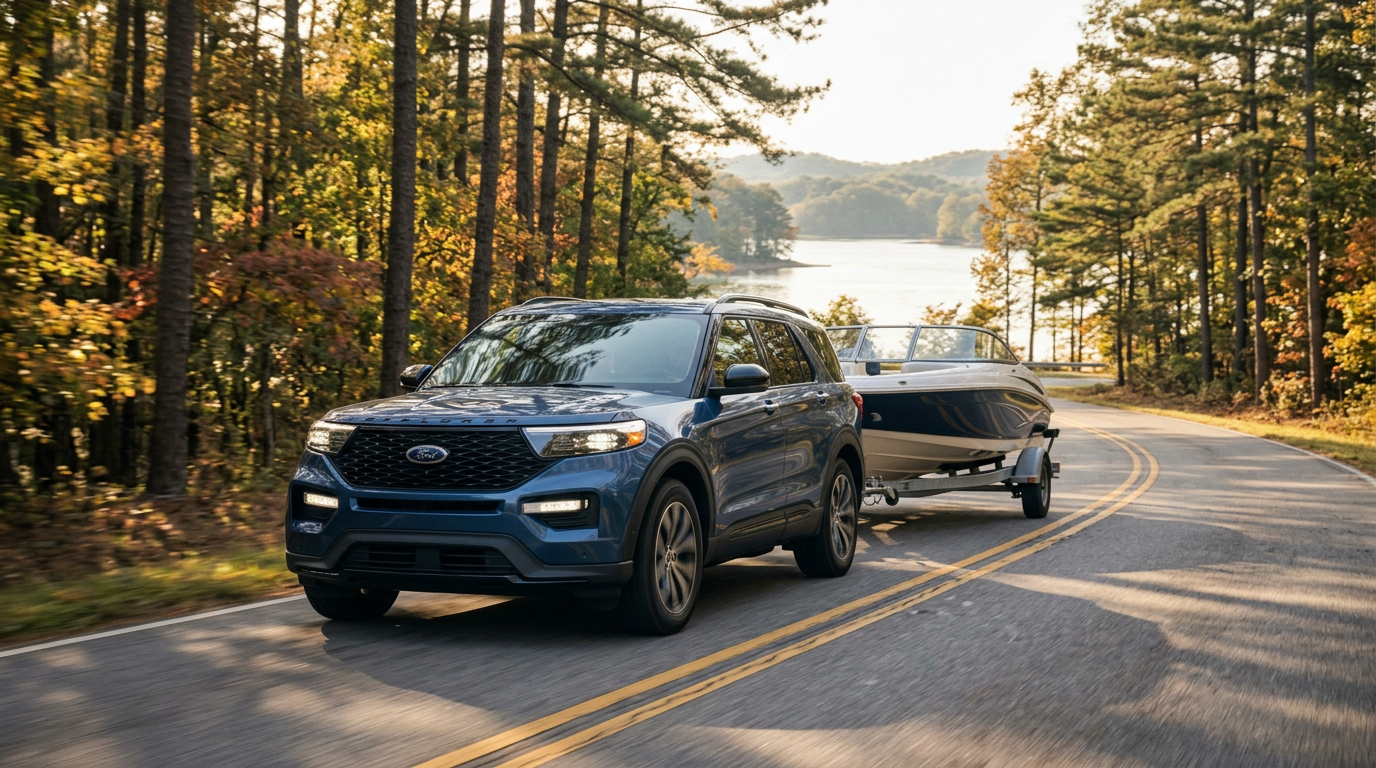

What Is Included in the Standard Ford Factory Bumper-to-Bumper Warranty? The standard Ford factory Bumper-to-Bumper Warranty provides bumper-to-bumper coverage for 3 years or 36,000 miles, whichever comes first. It covers repairs or replacements of virtually all original factory-installed parts damaged due to defects in materials or workmanship. This factory coverage also includes safety restraint systems for 5 years or 60,000 miles and sheet metal rust perforation protection for 5 years with unlimited mileage. As a Service Advisor at Chestatee Ford with over 10 years of hands-on technical experience, I talk with vehicle owners every day about what their factory coverage actually does and does not include. While bumper-to-bumper protection is comprehensive, it is designed specifically for defects rather than routine wear. Items such as brake pads, wiper blades, and tire tread wear from normal driving are not covered under this standard coverage. However, if an electronic module, air conditioning compressor, or factory touch screen fails unexpectedly during those first 36,000 miles, the repair costs are fully covered with zero deductible. For drivers negotiating the steep mountain elevation around Dahlonega, keeping track of vehicle health during those early years is straightforward. If you ever have questions about a potential warranty repair or need to confirm your vehicle's remaining eligibility, you can easily find our service center location right on Lumpkin County Parkway or give our service desk a quick call to check your vehicle's coverage history. Table of Contents How Long Does the Ford Powertrain Warranty Last Across Gas and Diesel Engines? What Is the Warranty Coverage on Ford Hybrid and Electric Powertrains and Batteries? What Specific Components Are Covered Under Ford Tire Care and Road Hazard Protection Plans? Does Ford Protect PremiumCARE Cover Wear-and-Tear Items Like Brakes and Wipers? Can You Finance Ford Protect ESP and Schedule Certified Service? How Long Does the Ford Powertrain Warranty Last Across Gas and Diesel Engines? The Ford Powertrain Limited Warranty covers internal engine components, transmission assemblies, and drive axle systems for 5 years or 60,000 miles on standard gasoline models, while PowerStroke diesel engines receive expanded powertrain coverage lasting 5 years or 100,000 miles. This duration matches heavy-duty truck standards, placing the PowerStroke diesel powertrain warranty on equal footing with competitor diesel offerings like Chevrolet's Duramax and Ram's Cummins diesel programs. In our service bay, we frequently work with heavy-duty truck owners who rely on their vehicles for commercial hauling and agricultural work. The powertrain plan covers critical mechanical hardware, including engine blocks, cylinder heads, water pumps, fuel injectors, internal timing gears, torque converters, differential cases, and transfer cases. For models like the 2026 Ford F-150 equipped with the 3.5L EcoBoost engine or the 2.3L EcoBoost in the 2026 Ford Explorer, this coverage provides essential long-term protection against major internal mechanical failures. Standard maintenance items like engine oil, spark plugs, and transmission fluid flushes remain the owner's responsibility, but if an internal seal, oil pump, or gear cluster experiences a structural defect, the powertrain protection absorbs the repair costs. What Is the Warranty Coverage on Ford Hybrid and Electric Powertrains and Batteries? Ford hybrid and electric vehicles feature dedicated high-voltage component and battery warranty protection for 8 years or 100,000 miles, covering the high-voltage lithium-ion battery pack, electric drive motors, and power electronics against factory defects and major capacity loss. In mild climate zones like northern Georgia, battery degradation rates are significantly lower than in severe freezing environments, allowing high-voltage systems to maintain strong performance over their full eight-year lifespan. This extended coverage applies to hybrid models as well as full battery-electric vehicles, ensuring that the specialized electrical drive units, inverter assemblies, onboard chargers, and battery control modules remain covered well beyond the standard bumper-to-bumper timeline. If a high-voltage battery cell experiences an excessive drop in energy storage capacity during the coverage window, Ford warranty guidelines stipulate battery repair or replacement to restore operational capability. Standard gas engine components on hybrid powertrains still retain the traditional 5-year or 60,000-mile powertrain coverage. This split warranty structure ensures both mechanical and electrified drive systems receive tailored protection. What Specific Components Are Covered Under Ford Tire Care and Road Hazard Protection Plans? Ford Protect TireCARE Plus covers full replacement or repair of tires and wheels damaged by covered road hazards including nails, glass, potholes, and metallic debris, with zero deductible and no limit on claim occurrences. Standard new vehicle factory warranties explicitly exclude tire wear and road hazard damage, leaving tire replacements to the tire manufacturer's separate treadwear warranty or the driver's out-of-pocket expense. Ford Protect TireCARE Plus bridges this gap by reimbursing 100 percent of costs for mounting, balancing, new valve stems, tire disposal fees, and sales taxes when a tire is punctured or damaged by an unexpected hazard. If a damaged tire cannot be safely patched and has more than 3/32 inches of tread depth remaining, the plan replaces it with a new tire of matching quality. Drivers navigating lakefront routes and active outdoor spots around Cumming frequently encounter road construction debris and rough gravel surfaces that can puncture specialized all-terrain or low-profile tires. TireCARE coverage extends up to seven years with unlimited mileage, covering alloy, aluminum, and steel wheels against structural or cosmetic damage caused by road hazards. When unexpected flats occur, drivers can easily schedule auto service online to get tires inspected or replaced. If you are servicing an older vehicle or maintaining pre-owned models like those in our pre-owned inventory under $30K, our service team can also help you order genuine Ford parts and OEM replacement tires built to factory specs. Does Ford Protect PremiumCARE Cover Wear-and-Tear Items Like Brakes and Wipers? Ford Protect PremiumCARE extended service plans cover over 1,000 vehicle components against mechanical breakdowns but do not cover routine wear-and-tear items such as brake pads, brake rotors, wiper blades, or spark plugs. To get coverage for regular wear items, vehicle owners must add a separate Ford Protect Premium Maintenance Plan, which specifically incorporates routine replacement items along with scheduled oil changes and multi-point inspections. When vehicle owners review coverage options, understanding the distinction between extended mechanical breakdown protection and routine wear maintenance is vital. PremiumCARE covers high-tech electronics, SYNC technology infotainment modules, steering gear, suspension bushings, and climate control systems, protecting against unexpected component failures. For high-mileage commuters driving a 2026 Ford Escape with all-wheel drive, combining PremiumCARE extended coverage with a Premium Maintenance Plan creates complete bumper-to-bumper security. Multi-point inspections conducted during routine maintenance checks monitor tire tread depth, brake pad thickness, and fluid health, identifying alignment issues or uneven wear patterns long before they turn into costly mechanical repairs. Can You Finance Ford Protect ESP and Schedule Certified Service? Yes, vehicle owners can ask about financing options for a Ford Protect Extended Service Plan when speaking with our team. Structuring plan payments into monthly installments allows owners to lock in long-term coverage rates without paying the full upfront cost out-of-pocket. Whether protecting a brand-new vehicle or adding extended protection before your factory warranty expires, financing ensures comprehensive protection fits comfortably within your budget. At Chestatee Ford, our service center is equipped with factory-certified technicians and specialized diagnostic tools designed to maintain your vehicle to exact OEM standards. You can explore our rotating service and parts information for current maintenance offers before your next visit. If you want to discuss coverage options or schedule a service inspection, feel free to drop by our service department address on Lumpkin County Parkway or give our advisors a direct phone call to get expert guidance tailored to your driving habits. © 2026 Chestatee Ford. All rights reserved. Vehicle specification data © JATO Dynamics Limited.
Used Ford F-150 Inspection Guide: Q&A With Our Chestatee Ford Sales Manager
Prior to being offered for sale, every pre-owned truck undergoes a comprehensive mechanical evaluation that covers powertrain diagnostics, cam phaser operation, transmission shifting, brake wear, and four-wheel-drive systems. We sat down with our Sales Manager at Chestatee Ford, who brings over a decade of hands-on truck experience, to explain the exact inspection process and model-year nuances buyers should know. Q: What key mechanical points are inspected on a used Ford F-150 prior to sale? A: Every pre-owned truck undergoes a detailed mechanical inspection focusing on powertrain diagnostics, cam phaser operation on turbocharged engines, 10R80 10-speed automatic transmission shift quality, four-wheel-drive transfer case engagement, brake pad thickness, and front suspension ball joints. Our team verifies that critical mechanical systems meet strict operating standards before any truck reaches our inventory. Beyond electronic system diagnostics, technicians perform a cold engine start to check for potential cam phaser noise on 2.7L EcoBoost V6 and 3.5L EcoBoost V6 engines. They road-test the truck through every gear ratio to ensure smooth acceleration without shift hesitation or drivetrain clanking. On four-wheel-drive models, technicians switch through transfer case modes on loose surfaces to confirm vacuum actuator function and front hub engagement. Frame condition, exhaust system seals, steering alignment, and tire tread depth are also carefully measured. If you are looking for gently used dealership vehicles backed by meticulous maintenance logs, explore our Ford courtesy vehicles for sale. To test-drive an inspected truck or speak directly with our sales team, feel free to give us a quick call or stop by our dealership address on Lumpkin County Parkway. Q: Which 13th-generation F-150 model year introduced the aluminum alloy body structure? A: The high-strength, military-grade aluminum alloy body structure was introduced with the 2015 model year, marking the beginning of the 13th generation. This design shift contributed to a significant reduction in vehicle weight compared to the 2014 steel-body generation while improving dent resistance and frame stiffness. Shedding structural weight allowed engineers to increase towing capacities and payload limits across the model range without compromising fuel efficiency. The 2015 redesign also introduced the 2.7L EcoBoost V6 engine producing 325 horsepower and 375 lb-ft of torque, alongside the established 3.5L EcoBoost V6 rated at 365 horsepower and 420 lb-ft of torque. Drivers navigating steep elevation changes along the Appalachian foothills in Dahlonega notice how the lighter body structure sharpens handling response and braking performance on mountain roads. For buyers comparing late-model pre-owned trucks against the latest releases, browsing our new Ford F-150 selection provides a helpful baseline for current technology and capability. If this is your first truck purchase, reviewing our first-time car buyer guide will clarify trade-in values and vehicle financing steps before you visit. Q: How does a used 2018-2020 F-150 compare to a 2021-2023 model in value and features? A: The 2018 to 2020 models offer impressive value by pairing the lightweight aluminum body structure with refined automatic transmissions and modern safety features at an accessible purchase price. The 2021 to 2023 generation introduced a redesigned interior, available SYNC 4 infotainment with 12-inch touchscreens, Pro Power Onboard generator functionality, and updated transmission mapping. "When buyers ask me how to evaluate a used truck on a test drive, I tell them to start with a cold engine start and pay attention to how smoothly the transmission cycles through the lower gears." For shoppers focused on capability per dollar, a 2018-2020 truck remains a smart choice. On 2020 models, for instance, a King Ranch 4x4 SuperCrew 5-1/2’ Box configuration provides a curb weight of 5,096 lbs, cargo volume of about 53 cu ft, a towing capacity of 10,400 lbs, and a payload rating of 1,945 lbs. The 2021-2023 models appeal to buyers seeking digital display screens, enhanced cabin storage, over-the-air software updates, and available BlueCruise hands-free highway driving. You can explore our pre-owned inventory by viewing our pre-owned vehicle selection. If you plan to trade in a vehicle to lower your total financing amount, you can easily value your trade-in online before scheduling an in-person appraisal. Q: What is the towing capacity difference between the 3.5L EcoBoost and 5.0L V8 on a 2020 F-150? A: When properly equipped, a 2020 model year truck powered by the 3.5L EcoBoost V6 achieves a maximum conventional tow rating of up to 13,200 lbs, whereas the 5.0L V8 achieves a maximum conventional towing capacity of 11,500 lbs. This gives the twin-turbo V6 a 1,700 lbs towing advantage over the naturally aspirated V8. The difference in pull rating comes down to torque delivery. The 3.5L EcoBoost V6 engine produces 500 lb-ft of torque low in the RPM band, providing immediate pulling power that helps move heavy loads smoothly from a complete stop. The 5.0L V8 engine produces 400 horsepower and 410 lb-ft of torque, offering linear acceleration and the traditional rumble preferred by classic truck drivers. For drivers in Dawsonville hauling heavy boats or camper trailers near Lake Lanier, the low-end torque of the EcoBoost engine makes pulling trailers up steep boat ramps noticeably easier. Q: What is covered during a Ford Certified Pre-Owned inspection for an F-150? A: A Ford Gold Certified pre-owned evaluation includes a 172-point inspection covering mechanical systems, electronic features, body condition, and road-test behavior. Technicians verify that brake pad thickness exceeds 50% remaining wear, tire tread meets minimum safety thresholds, and all factory maintenance software updates are applied. The certification process begins with full diagnostic scans of the powertrain control modules. Technicians inspect the cooling system, belts, spark plugs, battery condition, and exhaust manifold connections. Suspension components undergo physical load checks, including ball joint play, shock absorber damping, and wheel bearing tightness. Inside the cabin, electronic systems such as SYNC technology, heating and air conditioning, power seats, and driver-assist safety features are tested to ensure full functionality. If you prefer vehicles with clear history records, filter through our single-owner pre-owned inventory to view complete background documentation. Q: Does a Ford CPO warranty transfer to a second owner if sold privately? A: Remaining coverage under a Ford Gold Certified limited powertrain and comprehensive warranty transfers automatically to subsequent private buyers without any transfer fees. This factory-backed coverage provides strong resale protection and adds real market value if you decide to sell the truck privately in the future. Gold Certified coverage includes a 12-month/12,000-mile comprehensive limited warranty alongside a 7-year/100,000-mile powertrain limited warranty calculated from the vehicle's original owner in-service date. Because warranty coverage links directly to the vehicle identification number rather than the original buyer, secondary private owners receive the remaining protection automatically. This transferability gives secondary buyers confidence that the truck was maintained according to manufacturer specifications. Q: Is buying a used Ford F-150 with over 100,000 miles a reliable choice for local drivers? A: A pre-owned truck with over 100,000 miles can be a reliable choice when service records confirm routine oil changes, transmission fluid services, and spark plug replacements. High-mileage trucks that successfully complete our pre-sale mechanical reconditioning offer durable performance for work and recreational driving at an affordable price point. On higher-mileage vehicles, our inspection focuses on wear items like front suspension ball joints, shock absorbers, brake rotors, drive belts, and water pumps. Replacing worn items during pre-sale service restores ride comfort and steering stability. Combined with financing options, choosing a well-maintained higher-mileage truck allows buyers to secure full-size towing capability and interior space. To explore current financing options, you can apply for auto financing online in just a few steps. When you are ready to test-drive an inspected pre-owned truck, give our team a quick call or visit our showroom location to speak with our sales staff today. Dimensions & Capacity Capacity and dimensions by trim Feature King Ranch 4x4 SuperCrew 5-1/2’ Box King Ranch 4x4 SuperCrew 6-1/2’ Box King Ranch SuperCrew 5-1/2’ Box Lariat 4x4 SuperCrew 5-1/2’ Box Lariat 4x4 SuperCrew 6-1/2’ Box Lariat SuperCrew 5-1/2’ Box Seating 5 5 5 5 5 5 Cargo 52.8 cu ft 62.3 cu ft 52.8 cu ft 52.8 cu ft 62.3 cu ft 52.8 cu ft Curb weight 5,096 lbs 5,143 lbs 5,096 lbs 5,020 lbs 5,122 lbs 5,020 lbs Towing 10,400 lbs 10,800 lbs 10,400 lbs 9,300 lbs 9,200 lbs 9,300 lbs Payload 1,945 lbs 2,000 lbs 1,945 lbs 2,020 lbs 2,020 lbs 2,020 lbs Dimensions & Capacity (continued) Feature Platinum 4x4 SuperCrew 5-1/2’ Box Platinum 4x4 SuperCrew 6-1/2’ Box Platinum SuperCrew 5-1/2’ Box Police Responder 4x4 SuperCrw 5-1/2’ Box Raptor 4x4 SuperCrew 5-1/2’ Box STX 4x4 SuperCab 6-1/2’ Box Seating 5 5 5 5 5 5 Cargo 52.8 cu ft 62.3 cu ft 52.8 cu ft 52.8 cu ft 52.8 cu ft 62.3 cu ft Curb weight 5,096 lbs 5,143 lbs 5,096 lbs 5,020 lbs 5,710 lbs 4,895 lbs Towing 10,400 lbs 10,800 lbs 10,400 lbs — 8,200 lbs 7,400 lbs Payload 1,945 lbs 2,000 lbs 1,945 lbs 2,030 lbs 1,410 lbs 1,600 lbs Dimensions & Capacity (continued) Feature STX 4x4 SuperCrew 5-1/2’ Box STX SuperCab 6-1/2’ Box STX SuperCrew 5-1/2’ Box Tremor 4x4 SuperCrew 5-1/2’ Box XL 4x4 Regular Cab 6-1/2’ Box XL 4x4 Regular Cab 8’ Box Seating 5 5 5 5 3 3 Cargo 52.8 cu ft 62.3 cu ft 52.8 cu ft — 62.3 cu ft 77.4 cu ft Curb weight 4,941 lbs 4,641 lbs 4,687 lbs 5,267 lbs 4,655 lbs 4,679 lbs Towing 7,500 lbs 7,500 lbs 7,600 lbs 9,300 lbs 9,400 lbs 7,500 lbs Payload 1,650 lbs 1,670 lbs 1,685 lbs 1,725 lbs 1,740 lbs 1,715 lbs Dimensions & Capacity (continued) Feature XL 4x4 SuperCab 6-1/2’ Box XL 4x4 SuperCrew 5-1/2’ Box XL 4x4 SuperCrew 6-1/2’ Box XL Regular Cab 6-1/2’ Box XL Regular Cab 8’ Box XL SuperCab 6-1/2’ Box Seating 6 6 6 3 3 6 Cargo 62.3 cu ft 52.8 cu ft 62.3 cu ft 62.3 cu ft 77.4 cu ft 62.3 cu ft Curb weight 4,895 lbs 4,941 lbs 5,122 lbs 4,391 lbs 4,396 lbs 4,641 lbs Towing 7,400 lbs 7,500 lbs 9,200 lbs 9,000 lbs 7,400 lbs 7,500 lbs Payload 1,600 lbs 1,650 lbs 2,020 lbs 1,810 lbs 1,775 lbs 1,670 lbs Dimensions & Capacity (continued) Feature XL SuperCrew 5-1/2’ Box XLT 4x4 SuperCab 6-1/2’ Box XLT 4x4 SuperCrew 5-1/2’ Box XLT 4x4 SuperCrew 6-1/2’ Box XLT SuperCab 6-1/2’ Box XLT SuperCrew 5-1/2’ Box Seating 6 6 6 6 6 6 Cargo 52.8 cu ft 62.3 cu ft 52.8 cu ft 62.3 cu ft 62.3 cu ft 52.8 cu ft Curb weight 4,687 lbs 4,895 lbs 4,941 lbs 5,122 lbs 4,641 lbs 4,687 lbs Towing 7,600 lbs 7,400 lbs 7,500 lbs 9,200 lbs 7,500 lbs 7,600 lbs Payload 1,685 lbs 1,600 lbs 1,650 lbs 2,020 lbs 1,670 lbs 1,685 lbs Keep Your Vehicle Running Strong Keep your vehicle performing at its best with our service team: Schedule Auto Service Today Order Genuine Ford Parts Schedule Pickup and Delivery Service © 2026 Chestatee Ford. All rights reserved. Vehicle specification data © JATO Dynamics Limited.