Blog / Chestatee Ford Service

Blog

All Chestatee Ford Service Chestatee Ford Ford Cars Community Local Ford Models New Ford Models Dahlonega Tips and Tricks Travel Outdoor Fun 2026 Ford Explorer is Ford Dealer Dahlonega Automotive Innovation Certified Pre-Owned Vehicles Driver Assistance Systems Features Ford Technology New Ford Features
ford interior

Taking Care of Your Ford's Interior

You spend a lot of time in your Ford, and it deserves more than just a quick wipe down every now and then. With some dedicated TLC, you can have a car interior you always feel comfortable and happy to be in. Here's a few interior car care tips from your local Ford dealer. Vacuum Regularly This might seem obvious, but crumbs and dirt have a knack for multiplying in unseen corners, and they're something we're always going to get to "later." Invest in a good hand-held vacuum and give your seats, floors, and trunk a thorough once-over at least weekly. more Tackle Tough Stains Right Away Spills happen, but don't let them become permanent. For fabric upholstery, blot up as much liquid as possible immediately with a clean absorbent cloth. Then, use a mild upholstery cleaner following the manufacturer's instructions. For leather, opt for a dedicated leather cleaner and conditioner to maintain its suppleness and prevent cracking. Sun Shades Matter Protect your dashboard from the sun's damaging UV rays with a custom-fit sunshade. This will prevent fading, cracking, and that dreaded dashboard glare. Don't Forget to Dust Wipe down your dashboard and instrument cluster regularly with a microfiber cloth to remove dust and prevent build-up. For stubborn grime, use a slightly damp cloth with a diluted all-purpose cleaner or a to-purpose interior car detailing cleaner. Keep Those Windows Clean Streak-free windows enhance your driving experience and improve safety. Use a quality glass cleaner and microfiber cloths to avoid scratches and ensure a sparkling finish. Banish Bad Odors To combat unwanted odors, try placing natural odor absorbers like baking soda or activated charcoal in discreet locations. Air out your car regularly or invest in an air purifier for persistent smells, especially if you have pets and transport them regularly in the car. Get Seat Covers and Floor Mats Add a touch of personality and protect your seats and floors with seat covers and floor mats. Choose from a variety of materials and styles to match your taste and driving habits, and talk to your Ford dealership about custom-fit, high-quality ones that are made to fit and perform in your vehicle specifically. Don't Neglect the Details Don't forget those often-neglected cup holders. Remove any debris and wipe them down with a damp cloth to prevent sticky stains and unpleasant odors. Door jambs also tend to collect dirt and grime over time. Use a small brush or vacuum attachment to clean these hidden areas. ​By following these simple steps and incorporating a bit of personal flair, you can transform your Ford's interior into a space that's comfortable, stylish, and truly your own. For help with all things Ford, contact us at Chestatee Ford right away.
Does Your Ford Have a Damaged Engine Belt?

While you're driving, the engine doesn't only power the wheels. It also uses the drive belt to transmit mechanical power to several important components. If your drive belt, which is also known as the car belt, becomes damaged in any way, you'll soon notice the following problems. You can easily have a drive belt repaired or replaced at your local Ford dealer. Whining or Squealing Sounds The drive belt connects the engine's crankshaft to several pulleys throughout the engine compartment. These sturdy rubber belts can sometimes loosen or start to slide loose when their grooves wear down. Sometimes a misaligned pulley can also cause the belt to slip out of place. When a drive belt loosens or becomes dislodged, you might hear a very slight whining or squealing sound as the rubber runs against the edges of the pulleys. This sound is likely to grow steadily louder as the problem worsens. more Malfunctioning Air Conditioner The drive belt powers one car component that's especially important during the warm summer months: the compressor in your cabin's air conditioner. So if the drive belt malfunctions, you may find the air-con vents refusing to blow cool air. Overheating Engine A potentially serious result of a failing drive belt is your engine overheating. This is because the belt powers the water pump that propels coolant around the cooling system, so if you see the temperature gauge on your dashboard rising, pull over to check the condition of your drive belt. Just be careful when raising the hood; an overheating engine can make the hood hot to the touch. Engine Refusing To Start in the Morning The alternator is the component that generates electricity, keeping your car's battery full of voltage. As the alternator also depends on the drive belt, a faulty belt may result in your battery failing to recharge. You may find your engine refusing the start the next morning. Suddenly Heavier Steering Modern cars use advanced power steering to give the driver a great deal of help in steering. This component is also powered by the drive belt, so if you find it more difficult to turn your steering wheel one day, your drive belt might be to blame. Ford Dealer Recommends a New Belt During regular preventative maintenance checkups at your local dealership, the technician will inspect various components of your vehicle, including the drive belt. If they find evidence of fraying, cracking, or worn-out grooves on your belt, they can draw your attention to it and replace the belt with a new one. This may save you from running into all the aforementioned problems while out on the road. Have your drive belt inspected or replaced today by experienced technicians at Chestatee Ford. We're a local full-service dealership with strong family values and a focus on delivering consistently excellent customer service, whatever your car-related needs might be.

Engine problems

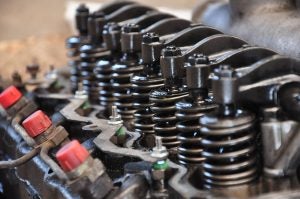
3 Engine Problems You Should Always Get Fixed at Your Ford Dealer

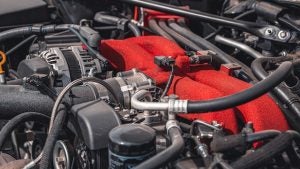
Engines are complex pieces of machinery, filled with hundreds of different parts. As time passes, parts can wear out and will need replacement. Worn or damaged parts can lead to engine problems, including starting difficulties and poor engine performance. Fortunately, your Ford dealer can fix any problem for you with genuine Ford parts. These are samples of some problems we can repair. Worn Battery Your battery provides the electrical charge that starts your engine. When you press the button or turn the key, the battery sends an electrical charge to the starter motor. This charge activates the starter, which then cranks your engine. A new battery has a lifespan of three to five years, but environmental and driving conditions can reduce this. When your battery gets older, it becomes more difficult to retain a charge due to the breakdown of the chemicals inside the battery. As the chemicals break down, your battery will have increased difficulty in providing the power to start your engine. Our technicians can test your battery and install a new one if your old one is failing. more Damaged Oxygen Sensors The oxygen sensors in your engine measure the amount of air in the exhaust gases. Your engine uses more air than fuel, and a lack of air will result in poor combustion. The oxygen sensors send their information to your car's computer, which uses these figures to determine the correct air-fuel mix. A damaged sensor may relay wrong or no information. If your computer doesn't receive the information it needs, this can lead to engine misfiring and poor fuel economy. Eventually, the cylinders, catalytic converter, and other critical engine parts can be damaged. We can test your sensors, and replace any damaged ones. Your computer will receive correct information again, and engine performance will improve. Blocked Air Filter Your car's air filter removes dust and debris from the air before it enters the engine. Your engine requires enormous amounts of air for combustion, all of which enters through this filter. In time, the filter will clog up with dirt, and the airflow into your engine will be restricted. If your engine doesn't receive enough air, it will become fuel-rich. A fuel-rich environment will result in poor engine compression, increased fuel consumption, and spark plug damage. We'll check the condition of your filter and install a new one if necessary. Your air-fuel ratio will immediately improve with a new filter, and you'll see an improvement in engine performance. If your Ford isn't running as efficiently as it should, call our service department at Chestatee Ford. Our Ford-trained technicians will investigate, find the problem, and fix it in no time.

Ford car warranty

4 Tech Features You'll Find on Today's Ford Vehicles

Cars today have tech features that were practically unimaginable just a decade or so ago, and each new release is loaded with more impressive technology than the last. Ford has some particularly incredible technology in their vehicles, so if you're heading to your Ford dealership, then prepare to be amazed by what they have on offer. 1. Ford Co-Pilot360 Today's Ford cars are full of features that work alongside you to make driving safer. Numerous cameras and sensors are able to detect when cars are in your blind spot, when collisions are likely to happen, and when your high beams need to be switched on. more Your car will alert you of objects in your blind spot and potential collisions, and it can turn on your high beams automatically. Active Park Assist is another really useful feature you'll love. These are just a few of the numerous driver assistance features on today's Ford models. 2. Alexa Smart speakers aren't only in your home now. You can access Alexa while driving your car. This allows you to ask for traffic information and directions without taking your eyes off the road. It's also great if you'd like to do a little shopping on Amazon while driving, and you can use Alexa to stream your favorite music to make your journeys more enjoyable. You can also control your home-based smart devices through Alexa in your car. If you want to come home to a nice, warm house with relaxing music playing, then you can ask your car-based Alexa to turn up your smart thermostat at home and play your favorite calming piano music in the living room. 3. SYNC 3 and SiriusXM Your infotainment system is powered by SYNC 3 technology that enables you to connect your phone to your infotainment screen via Bluetooth. Another great feature SYNC 3 comes with is SiriusXM availability. SiriusXM has a huge amount of music available, sports coverage, comedy, news, and more. It's a great companion for long drives, especially if you're on your own or need to keep easily bored kids entertained. 4. Wireless Charging Transporting charging cables to and from the car can be really annoying, and some people just don't find it worth it to have a charging cable they keep specifically in their vehicle. Now you can wirelessly charge compatible smartphones in your Ford. If you equip your car with this feature, then you'll never have to deal with your phone dying at an inconvenient time on the road again. Come and see these features and more at Chestatee Ford. We'd be happy to answer any of your queries about these features and the many others standard and available across various Ford models.

What's Included in Ford's Extended Warranty?

The warranty for a new Ford lasts for three years or up to 36,000 miles, whichever comes first. Additionally, your new Ford will have warranties for the powertrain, corrosion, safety restraint system, hybrid component, emissions defect, and diesel engine (if applicable). Some drivers may elect to purchase an extended warranty from their Ford dealer to extend vehicle protection. Each of Ford's extended coverage warranties can last for up to 10 years or 175,000 miles. Some drivers may choose a shorter warranty term. You can sign up for one of these warranties when the new car limited warranty period expires. more PowertrainCare The most basic plan is PowertrainCare, which covers 29 parts of your powertrain. The limited coverage only applies to the drive axles, engine, and transmission. BaseCare This basic warranty package covers 84 vehicle components, which include the powertrain and the steering system. ExtraCare This warranty plan covers 113 vehicle components with fewer limitations for the steering, high-tech, and brake systems. Limited coverage for the engine, transmission, and air conditioning is included in this warranty plan. Premium Care The PremiumCare plan will extend the full coverage of your factory warranty, which includes more than 1,000 vehicle components. Should You Ask Your Ford Dealer About Supplemental Coverage Options? In addition to one of the four main longer-term warranty options, drivers can also opt into up to six supplemental coverage options. These supplemental warranty plans each last for up to seven years and can help drivers focus coverage on specific parts of the vehicle that aren't covered by the main warranty options. TireCare Plus This supplemental coverage option will cover the cost of replacing or repairing a tire that is damaged by a covered event, such as driving over nails, glass, potholes, metal, or road debris. Windshield Care The Windshield Care plan will cover the repair costs for minor cracks and chips in your windshield, which can save you a lot of money on repair costs. DentCare The DentCare plan can reduce the cost of auto body repairs if your vehicle is dented from an accident. Only minor dents are covered under this plan. TripleCare Plus This warranty plan combines the benefits of the previous three supplemental coverage options. It might be a good idea to bundle this plan with your extended coverage warranty to maximize your vehicle protection. SurfaceCare For drivers who are concerned about wear and tear, the SurfaceCare plan is a great option. This warranty plan will cover interior and exterior surface damages under covered circumstances. Extending the coverage period of your warranty can save you significant money in repair costs over the years. To learn more about your warranty options, contact Chestatee Ford.

muffler

Does Your Ford Need a New Muffler?

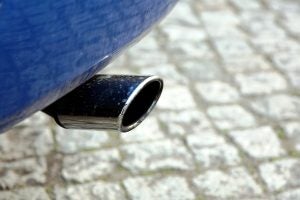
The muffler plays a crucial role in reducing the noise and filtering the exhaust gases out and away from your car. Ignoring problems with the muffler can lead to many other issues. If you notice any of the following signs, get a new muffler for your Escape, Expedition, or Maverick at your Ford dealer ASAP. Loud Noise One of the main functions of the muffler is to muffle or dampen noise. If you start to notice an increase in noise when you start your car or step on the gas pedal, it could be a sign that your muffler is on its way out. The noise could be due to damage, such as holes or cracks in the muffler caused by speed bumps or potholes. If you hear rattling sounds from underneath your car, it could indicate that the muffler is either loose or broken and needs replacing. more Bad Odor The smell of exhaust fumes is especially dangerous and needs to be addressed immediately. The muffler is responsible for filtering the fumes out of your exhaust, and if you smell an unpleasant odor around your car or while driving, holes in the muffler could be the cause. Unlike gas fumes, exhaust fumes have a burnt odor. Breathing in exhaust fumes is hazardous to your health. Asking your Ford technician to replace the muffler as soon as possible is critical. Reduced Fuel Efficiency If you have to fill up more frequently than usual, the muffler could be the culprit. The muffler regulates how fast exhaust fumes flow out of your vehicle and is crucial to how well your car runs. When the muffler fails to do its job, the engine has to work harder, burning more gas. Decreased gas mileage could indicate that the muffler needs replacing. Corrosion Corrosion, due to exposure to moisture or salt, is a huge problem that will cause holes and leaks. When there are holes in the muffler, exhaust fumes will escape, causing awful burning odors and health risks. Look at your muffler or ask your Ford technician for an inspection, and if there are any signs of rust, it's best to replace it right away. Engine Misfires If there is a hole or excessive damage to your muffler, it can lead to misfiring in your car's engine. When the exhaust fumes can't flow properly through the system and out of the vehicle, it can cause misfires, which can severely damage your car's engine. Replacing your muffler is relatively inexpensive but will save you money on gas and expensive repairs further down the road. If your car sounds noisy, misfires, you catch a whiff of exhaust fumes, or notice a change in gas consumption, call Chestatee Ford now for an expert muffler replacement.

How Long Has It Been Since Your Ford's Last Oil Change?

The sophisticated synthetic motor oil used in most modern Ford vehicles performs a remarkable number of important functions. Not only does oil lubricate all the parts in your engine, but it also helps control the temperature, cleans away contaminants, and combats the build-up of acid and corrosion. But motor oil gradually degrades over time, so if you haven't had your oil refreshed recently, consider visiting your local Ford dealership for an oil change soon. If your vehicle uses synthetic oil, it's likely to last from 7,500 to 10,000 miles. To ensure your oil always functions at optimal capacity, it's usually best to have it changed every six months or so. You can also have your tires rotated and brakes checked at the same time. Both of these essential servicing procedures should also be carried out twice a year. more Severe Driving Conditions Wears Oil Down Faster Some driving conditions put more strain on the engine and cause motor oil to degrade at a faster rate. These more severe conditions include making frequent short trips of under five miles in ordinary temperatures or under ten miles in freezing temperatures. Frequent short trips don't give the engine time to warm up properly and therefore put the motor oil under more pressure to lubricate and combat friction. Driving at low speeds puts the engine under more strain, as does prolonged driving in stop-and-go traffic. Towing a trailer or doing anything else to increase the vehicle's weight also puts the engine under more pressure. Driving along dusty, muddy, salty, or sandy roads does the same, as does driving in excessively hot climates. If any of these conditions apply to your regular driving, consider having your car's oil refreshed more frequently. Follow the Schedule Recommended in Your Warranty When under a powertrain warranty, you'll have a straightforward schedule laid out for you for changing your oil. Simply adhere to the intervals stipulated in your warranty to keep the warranty valid, although you may still wish to do it more frequently if you think your usual driving conditions are more severe than those of other drivers. Arrange a Routine Schedule With Your Ford Dealership In our busy modern lives, it can be easy to forget an oil servicing appointment. So it's usually a good idea to ask the technicians at your local dealership how often you should change your oil and then arrange a routine schedule with a system of reminders to help you remember. Visit Chestatee Ford today to have your oil refreshed by our friendly, experienced technicians. We're a community-focused local dealership that treats all our customers like family.

Vehicle brake part

Does your Ford Need a Brake Repair? 8 Common Signs

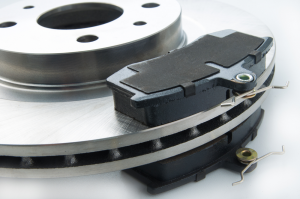
Your vehicle's brakes need to be in excellent condition to ensure your safety on the road. The following signs will warn you that your car needs a brake repair from a qualified Ford mechanic at your Dahlonega, GA, dealership. 1. The Brake Pads Are Worn and Thin New brake pads are eight to twelve millimeters thick. If you want to see if your brake pads are still thick enough, visually inspect the pads. Look through the wheel spokes, and you will see the brake pads pressed up against the rotors. The pads should be thicker than 6.4 millimeters to do their job well. If they are thinner, you need to ask your mechanic to replace them as soon as possible. more 2. Ineffective Brakes Your car is slow to respond, and it takes longer to stop when you press down on the brake pedal. When your brakes aren't working as they should, a leak could be causing the problem. Low brake fluid or a leak in the brake system will reduce your vehicle's stopping power. 3. Wet Stains Under Your Car If your brakes are unresponsive and it takes longer to stop, check under your vehicle for puddles. If you see yellow or brown stains where your car was parked, it's a brake fluid leak. Ask your mechanic to perform a brake system inspection to determine where the leak is coming from. 4. Your Car Pulls to the Right or Left When your car pulls to the right or left when you apply the brakes, your vehicle's brake pads are not wearing down evenly. The brake pads on one side are more worn than on the other side of your vehicle, causing your car to pull to the side. The brake pads need to be adjusted to ensure even wear. Contaminated brake fluid could also be the culprit. Ask your mechanic to perform a brake fluid replacement. 5. A Squealing Sound Brake pads have a metal wear indicator built in to warn you when the pads are wearing thin and need to be replaced. When the pads are worn, the wear indicator makes a high-pitched squealing sound when you step on the brake pedal. When you hear this sound, it's a sign that it's time for a brake pad replacement. Don't wait too long before you ask your mechanic to change the brake pads. If they wear too thin, they will damage the rotors. 6. A Grinding Noise When the brake pads are worn too thin, the bare metal will grind against the rotors. That is the horrible grinding noise you hear. The rotors are being damaged and can get hot enough to melt. When this happens, the brakes will stick. This is very dangerous, and you need to get your car to your mechanic as soon as you can. 7. The Brake Pedal Is Vibrating You apply the brakes, and you feel vibrations through the brake pedal. This could be a sign that your vehicle's rotors are warped, caused by age and hard braking. Vibrations occur because the warped rotors are not making contact with the brake pads evenly. 8. A Burning Odor When your vehicle's brakes are overheating from overuse and hard braking, you will smell a burning odor. It's best to stop your car in a safe place and wait for the brakes to cool down. For your safety, schedule an appointment with your mechanic to inspect your vehicle's brakes. For your safety, we recommend that you ask your mechanic for a thorough brake system inspection as soon as possible when you experience any of the signs. Contact Chestatee Ford today for a brake system inspection. Our Ford technicians will ensure that your brakes are in excellent condition and you and your passengers are safe on the road.

Does Your Ford Have a Faulty Ignition Coil?

Most drivers aren't familiar with the ignition coil, but this component plays a vital role in your engine. Ignition coils boost the power of the spark plugs and enable them to ignite the fuel-air mixture to produce combustion. As your Ford dealer, we'd like you to know some signs that you have a faulty ignition coil. Damaged Spark Plugs A spark plug is attached to each engine cylinder, and it ignites the compressed fuel-air mixture in the cylinder. A spark plug only produces 12 volts of power, which isn't sufficient to ignite the fuel-air mixture. An ignition coil connects to each spark plug, and a coil produces 50,000 volts of power to boost the strength of the spark plug and enable it to ignite. more Spark plugs will eventually wear out or become damaged, and this affects the attached coil. An ignition coil connected to a damaged spark plug will overwork to compensate for the failed plug. This situation can cause the ignition coil to fail and the contents of the cylinder won't ignite. We can easily test the spark plugs and coils, and we'll replace any damaged ones we find. Backfiring Backfiring will occur if the contents of a cylinder don't completely ignite. Fuel and air mix in the intake manifold and are then drawn into the cylinders. As we've seen, the spark plug will use the power from the ignition coil to ignite the mixture. This produces combustion, and the combustion process will repeat and allow your car to move. A damaged ignition coil won't supply power to its spark plug. Without this power, the cylinder's contents won't ignite. The hot, unburnt fuel in the cylinder will be ejected into the exhaust system. When unburnt fuel molecules touch the hot tailpipe, they can explode with a loud bang and a billow of black smoke. Backfiring can also occur for other reasons, and our technicians will need to examine your engine to identify and repair the cause of the problem. Poor Acceleration The combustion process will continue in a rhythm as long as your engine is running. When you step on the gas, you expect your car to smoothly and quietly increase speed. If you feel that your engine is struggling to accelerat  you could have one or more damaged ignition coils. Worn or damaged coils reduce the power available to ignite the cylinder contents, or they may supply power intermittently if they're failing. In either situation, the lack of constant and consistent power will cause a delay in combustion and reduce your acceleration. We'll investigate, and once we've repaired the problem, your car will accelerate smoothly again. If you experience any of the above signs, call us at Chestatee Ford.

4 Benefits of Getting Routine Transmission Service for Your Ford

Your car depends on a healthy transmission almost as much as it depends on the engine. It's essential to take good care of your gearbox with routine transmission service at your local Ford Dealer. Here are four good reasons you should never miss a servicing visit. Transmission Trouble Is Dangerous The fluid inside your transmission keeps everything lubricated so you can change gears smoothly and crisply. It also cleans metal shavings from the gears and helps to keep the temperature low. During a routine servicing visit, the technician will flush the transmission fluid, replace it with fresh fluid, and check for fluid leaks. They'll also remove and clean out debris from the fluid filter and pan. If no one does this for a prolonged period of time, your fluid will age and start to lose its function. Your gearbox and clutch will rapidly experience problems as parts rub against each other without proper lubrication. This is when gear slippage, stuck gears, and clutch drag can occur. These problems are dangerous while you're out on the road. more Transmission Repair Is Expensive When a transmission develops serious problems, it's one of the most expensive parts of your car to repair. Fixing a gearbox or replacing a clutch might cost you anything from $500 to $1,500. A neglected transmission can sometimes overheat and fail altogether. Replacing a failed transmission might cost as much as $3,000 or $4,000. The number one way to avoid these unnecessary expenses is with routine transmission inspections. Just as we go to the dentist every six months for a checkup, regular transmission checkups help to keep painful, costly problems at bay. Triple the Lifespan of Your Gearbox A well-kept transmission can last 200,000 or even 300,000 miles. This is often as long as the lifespan of a Ford car. But without regular servicing, a transmission might fail after just 100,000 miles or less. Maintain Your Vehicle's Warranty Many vehicle warranties cover the transmission as long as it's well-maintained. Have a look at your car's warranty to see how often it requires transmission servicing in order to remain valid. Having a fully valid warranty is always good for a driver's peace of mind. How Often To Have Servicing at Your Local Ford Dealer The recommended interval for transmission inspections depends on whether you drive a manual shift or an automatic shift. Manual shifts tend to need more frequent servicing visits: every 30,000 miles or so. Automatic shifts only need to be serviced every 60,000 miles. Check your owner's manual to see what Ford recommends for your particular model. Visit Chestatee Ford today to have your gearbox examined by courteous, experienced professionals. We're a trusted local dealership dedicated to quality service and family values.

Does Your Ford Need a New Catalytic Converter?

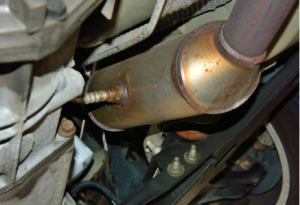
The catalytic converter in your Ford vehicle plays a significant role in maintaining its engine's efficiency and reducing air pollution. Like most automotive parts, repair or replacement is sometimes necessary, and your car's converter is no different. The only question is, how do you know when it's time to replace it? Here are some reasons you may need to bring your vehicle to your local Ford dealer for a new converter. Bring Your Car to Your Local Ford Dealer If: Your Catalytic Converter Was Stolen Your converter is essential in minimizing environmental pollution. Without it, your car will release harmful chemicals and will no longer follow the US Clean Air Act, which requires all cars manufactured after 1975 to have a converter installed. If it is stolen, which is quite common given the valuable metals it is made from, you need to replace it. There's a Bad Odor From the Exhaust One of the converter's purposes is to convert the chemicals in the exhaust system to safe compounds. However, when it is not functioning properly, it may release a bad odor that resembles rotten eggs or sulfur from the vehicle's exhaust. If this is the case, you likely need a new converter. more There's a Rattling Sound Coming From Underneath Your Car When a converter is damaged, it sometimes makes a rattling sound. Whether it be from age or the use of certain fuel mixtures, this sound happens when the mesh inside the converter begins to deteriorate, becoming more distinguishable when the engine is first turned on. The most effective way to eliminate that annoying noise is to have your converter replaced. Your Car Shows Signs of Slow Engine Performance Have you noticed a change in your car's engine performance? Because the converter is directly related to the engine, when it fails, it can lead to exhaust back pressure which lessens the engine's functionality. For best results, this should immediately be looked at, and the converter may need to be replaced. Your Engine Is Misfiring If your engine misfires, this is a sign you may need a new converter. When an engine misfires, it is typically due to incomplete fuel combustion, a consequence of the converter not working correctly. This can impact your car's engine efficiency and prevent it from starting. Whether it be that pesky rattling noise or the declining performance of your engine, there are many reasons to replace your car's converter. Your Ford vehicle does a lot, so why let something as simple as needing a new converter prevent you from owning a car that functions the way it's meant to? Come visit us at Chestatee Ford, where we have highly trained technicians who are certified to work on your vehicle, to determine if you need a new converter today.

Car maintenance Tips

5 Car Maintenance Tips to Keep Your Ford Running Smoothly for Years

Your car is a big investment, so it makes sense to take good care of it. One of the best ways to do this is by following a regular car maintenance schedule with your Ford dealer. Here are a few tips for keeping your vehicle running smoothly! Change Your Oil Regularly Regular oil changes are one of the most important things you can do for your vehicle. Oil is a lubricant that protects the engine from wear, so it's vital for keeping your engine moving smoothly. Check Your Tire Pressure Checking your tire pressure is an essential part of your vehicle maintenance routine. It's easy to do and could save you from a costly repair later. To check tire pressure, use a digital or analog gauge that measures PSI (pounds per square inch). Check your car manual or inside the car door to get the correct tire pressure for your vehicle. more Check the pressure when the tires are cold (before you've started driving). You want all four tires to have the correct air pressure; if they don't, this could lead to uneven wear or even damage to other components. Follow a Schedule for Tire Rotation and Wheel Alignment It's important to check the condition of your tires regularly so you don't end up on the side of the road with a flat tire. When you bring your car in for a rotation and inspection, we'll check all four tires and note any cracks or bulges. Tire rotations and wheel alignments are essential to prevent uneven and premature tire wear. Misaligned tires can lead to all sorts of problems, including issues with steering and loss of control. Keep the Inside Clean The inside of your car is just as important to keep clean as the outside. Regular cleaning will help prevent stains and odors, which can be difficult to remove once they've set in. Vacuum seats and floors weekly and use a soft cloth with a cleaner to wipe down surfaces like door panels, dashboards, and the steering wheel. Use a mild soap with warm water or a car upholstery cleaner to clean the upholstery. If you're dealing with heavy stains on fabric—such as spilled coffee—test a car upholstery cleaner on the material to ensure it's safe, and apply as instructed! Inspect the Belts, Hoses, and Fluids Your car's belts, hoses, and fluids are as crucial to its overall health as any other part. If they break down or get clogged up with dirt and grime, it can cause a substantial amount of damage to the engine. That's why it's essential to have a certified professional check them regularly. Taking care of your car is essential; the more you maintain it, the longer it will last. If you keep up with maintenance, your vehicle will not only be more reliable, but you'll also save money in the long run. Schedule a service appointment with Chestatee Ford to ensure that your vehicle stays in tip-top shape!

Contact Us

*Required Fields